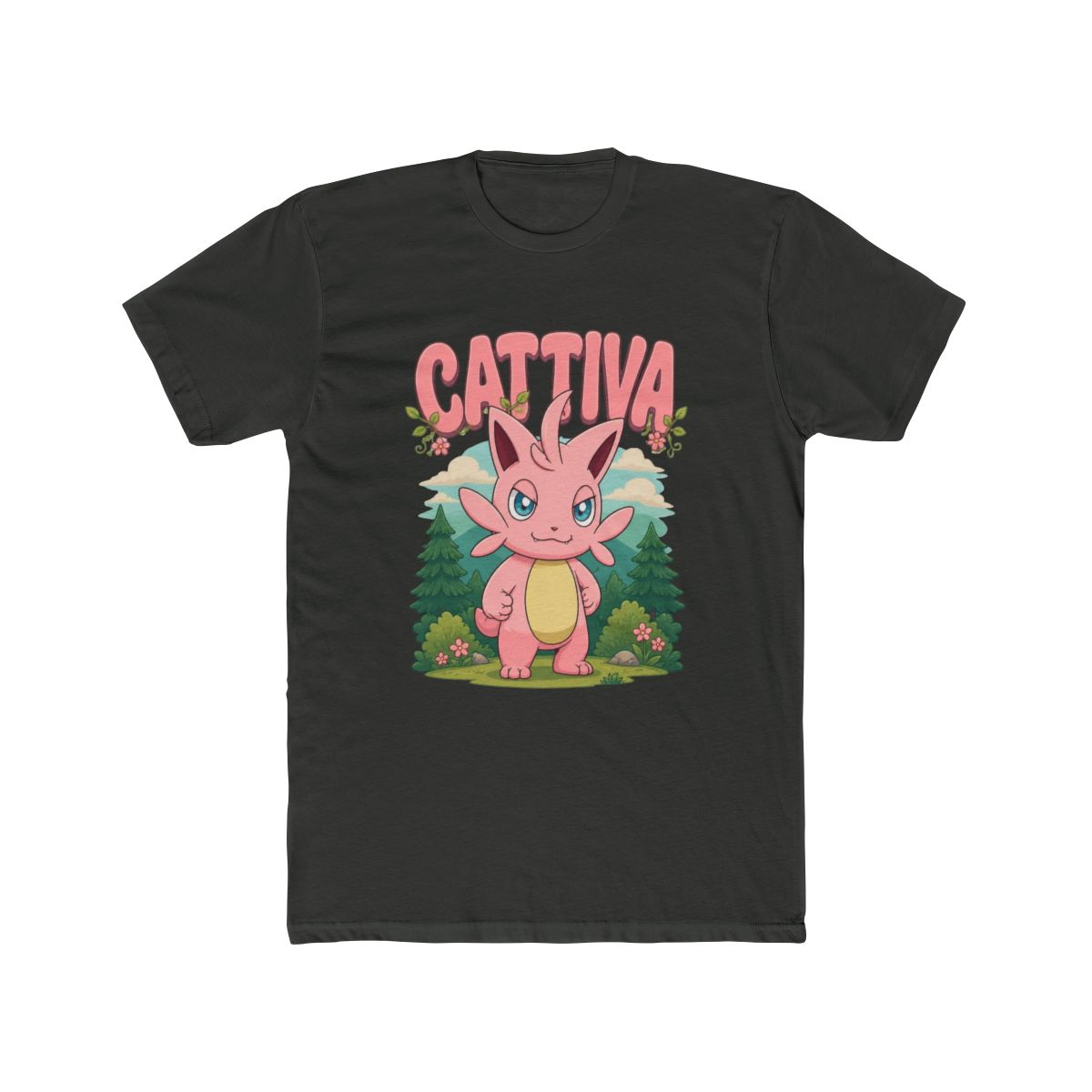
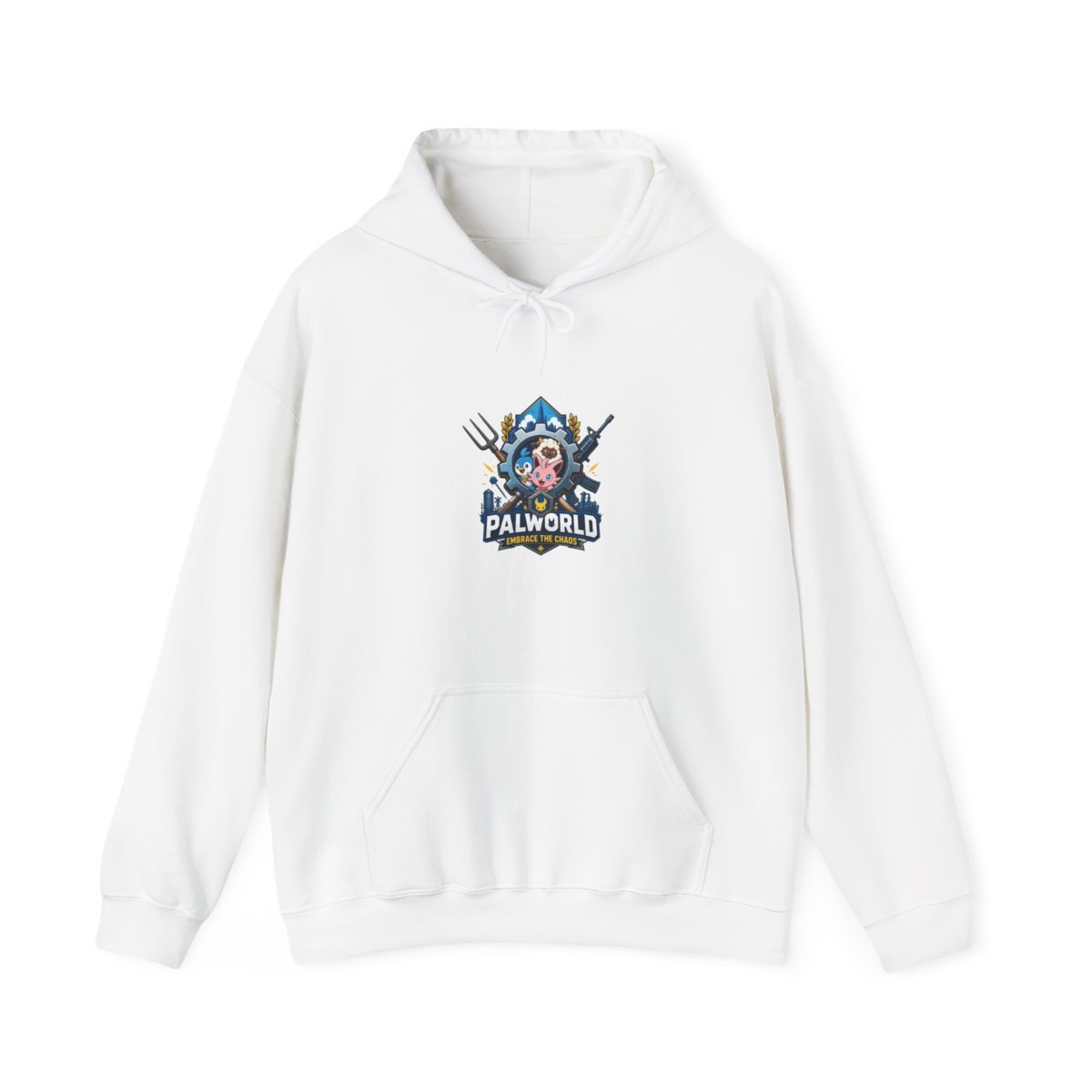
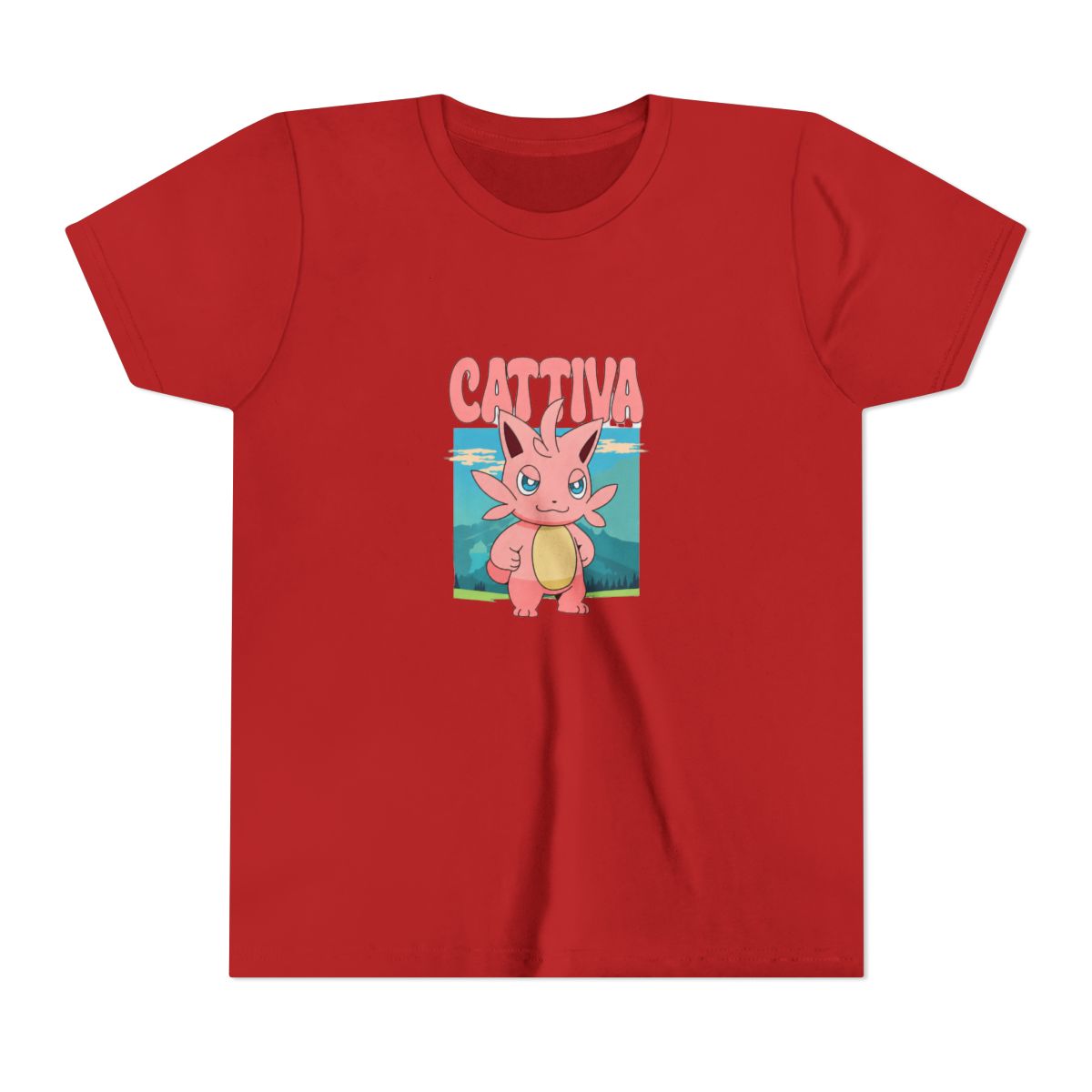
Step-by-Step Guide: How to Identify Fake Palworld Merchandise
Step 1: Examine the Fabric and Print Quality
Turn the garment inside out. Authentic Palworld merchandise uses 100% combed ring-spun cotton (about 180-220 GSM). Fake shirts often feel thinner (under 150 GSM) or use poly-cotton blends that pill after one wash. Rub the print lightly: official prints bond to the fabric and don’t crack easily. Fakes often use cheap heat-transfer vinyl that feels plasticky and separates from the shirt.
Pro tip: Hold the shirt up to light. If you can see the print’s outline on the other side clearly, it’s likely a fake. Quality prints have a solid barrier layer.
Step 2: Verify Official Logos and Branding
Every official piece has a precise logo - the Palworld name uses a specific font weight (Roboto Condensed Bold with a 1.2 kerning), and the Pals have documented color hex codes (e.g., Pikachu-esque yellow is #FFD700 for Depresso). Fakes often use bold or italic variations that look off. Compare the logo on the merchandise to the official game trailer or website. Also, check the inside neck label: authentic merch from trusted brands like Sanshee or Fangamer include a woven label with their name. Fakes usually have a printed white label or no label at all.
Common mistake: Relying only on the front design. Fakes can copy the front perfectly but skip the back print or tag details because they save money.
Step 3: Compare Prices and Retailer Reputation
If a Palworld hoodie costs $19.99, it’s almost certainly fake. Official hoodies range from $55-$75 depending on design and brand. T-shirts are typically $30-$40. Use price tracking tools like CamelCamelCamel or simply check the official Palworld website for price baselines. Also, read retailer reviews: genuine sellers have consistent feedback about sizing and quality. Counterfeit sellers often have generic store names (like "BestMerchShop2026") and few to no reviews with photos.
Pro tip: Search for the exact product image using reverse image search. Fakes often reuse the same stock photo across multiple shops. If you see the same photo on five different domains, it’s a red flag.
Step 4: Look for License Information and Tags
Official merchandise has a licensing hologram or a printed line: "© 2024 Pocketpair, Inc." (sometimes with a production code). Fakes either omit this or copy it in a tiny, illegible font. Additionally, check the wash instructions tag - authentic tags are sewn in, doubled over, and include fiber content percentages. Fakes often have a single-layer, frayed tag with blank back.
Common mistake: Assuming a shop that sells multiple official-looking items is legitimate. Many counterfeiters operate networks of dozens of shops using the same templates.